
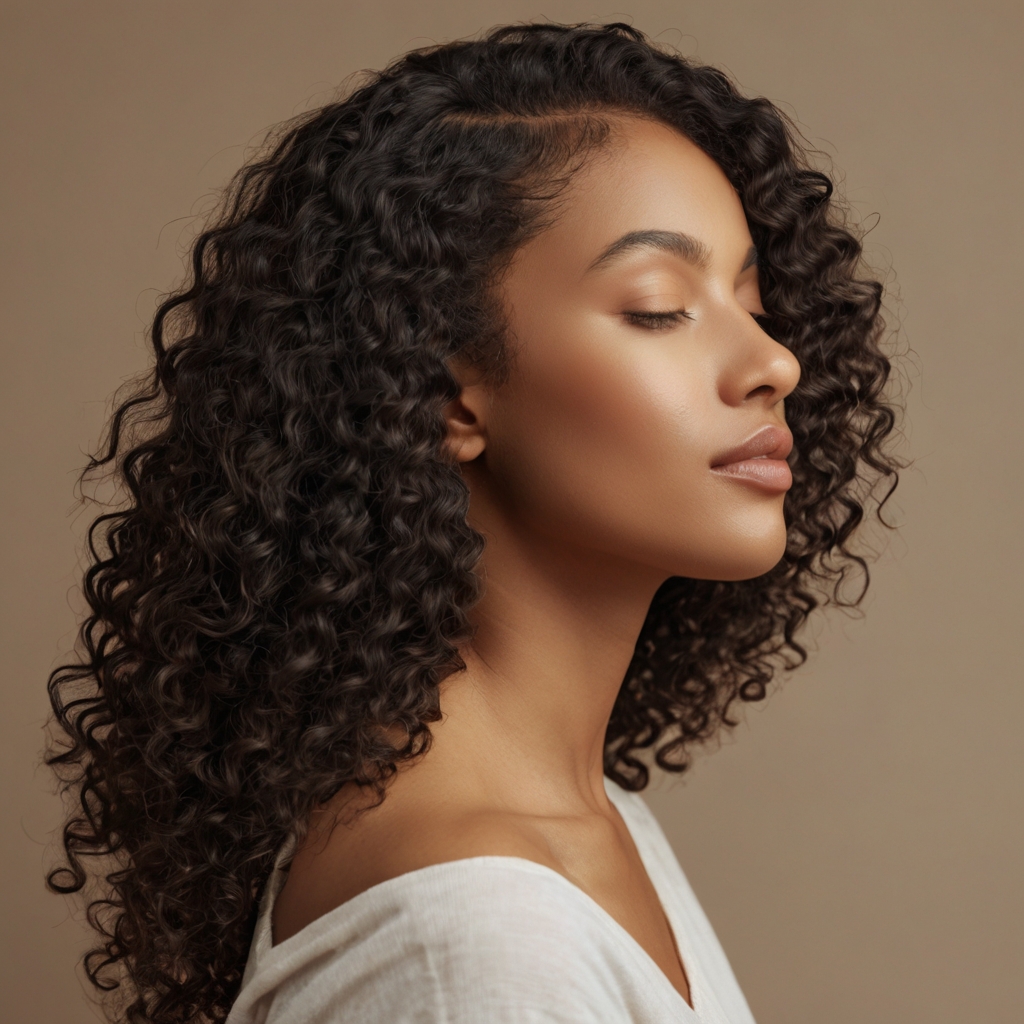
Introduction: The Art of Patience in Hair Care
Life is a garden, and your hair is no exception. Just as plants need consistent watering, sunlight, and care to thrive, your hair requires patience and attention to reach its full potential. In a world that often glorifies instant results, the journey to healthy, beautiful hair reminds us that true transformation takes time. Whether you’re repairing years of damage, enhancing your natural texture, or simply maintaining your hair’s health, the process demands dedication and a willingness to trust the journey.
This article is your guide to embracing patience as the cornerstone of your hair care routine. We’ll explore why immediate results are unrealistic, how to nurture your hair like a gardener tends to their plants, and practical ways to stay committed even when progress feels slow. From understanding your hair’s unique needs to overcoming setbacks, you’ll find inspiration and actionable advice to make your hair care journey rewarding. So, let’s dig in—because with patience, care, and time, your hair can bloom into a vibrant reflection of your dedication.
The Garden Analogy: Why Hair Care Requires Patience
The comparison between hair care and gardening is more than poetic—it’s a powerful framework for understanding the process. A garden doesn’t transform overnight. Seeds take time to sprout, plants need nurturing to grow, and blooms emerge only after consistent care. Similarly, your hair responds to the effort you invest, but the results unfold gradually.
- Time is Essential: Just as you can’t force a flower to bloom in a day, you can’t repair years of hair neglect in a week. Damage from heat, chemicals, or poor care accumulates over time, and healing requires a corresponding investment of time.
- Consistency Matters: A garden thrives with regular watering, pruning, and fertilizing. Your hair needs a consistent routine—cleansing, conditioning, and protecting—to show improvement. Sporadic care yields sporadic results.
- Progress is Non-Linear: Gardens face setbacks—pests, weather, or poor soil can slow growth. Hair care is similar; you may encounter plateaus, bad hair days, or unexpected challenges. These are normal and don’t mean you’re failing.
- Care is Individual: Every plant has unique needs, just as every head of hair does. What works for one person’s hair may not work for yours, and finding the right approach requires patience and experimentation.
By viewing your hair as a living, evolving entity like a garden, you can shift your mindset from seeking quick fixes to embracing a long-term journey of growth.
Understanding Your Hair’s Needs: Laying the Groundwork
Before you can nurture your hair, you must understand its unique characteristics. Like a gardener assessing soil and sunlight, knowing your hair’s type, condition, and needs sets the stage for effective care.
- Hair Type and Texture:
- Hair is classified into four types: Type 1 (straight), Type 2 (wavy), Type 3 (curly), and Type 4 (coily), with textures ranging from fine to coarse. Identifying your type helps you choose products tailored to its structure. For example, curly hair often needs extra moisture, while straight hair may benefit from volumizing products.
- Observe how your hair behaves when air-dried or styled to determine its type.
- Porosity:
- Porosity affects how your hair absorbs and retains moisture. Low-porosity hair resists products, while high-porosity hair absorbs them quickly but may lose moisture fast. Test porosity by placing a clean strand in water: if it floats, it’s low-porosity; if it sinks, it’s high-porosity.
- Low-porosity hair benefits from lightweight products, while high-porosity hair needs sealing oils or butters.
- Scalp Health:
- A healthy scalp is the foundation of healthy hair. Dryness, oiliness, or sensitivity can affect hair growth and appearance. For example, an oily scalp may need clarifying shampoos, while a dry scalp benefits from hydrating treatments.
- Check for flaking, itchiness, or excess oil to assess your scalp’s needs.
- Current Condition:
- Assess damage from heat, chemical treatments, or environmental factors. Signs include split ends, brittleness, or dullness. Damaged hair requires gentle care and reparative products, while healthy hair may focus on maintenance.
- Consider lifestyle factors like diet, stress, or climate, which influence hair health.
- Goals:
- Define your hair goals—repairing damage, enhancing shine, promoting growth, or defining curls. Clear goals guide your product choices and routine.
Understanding these factors isn’t about achieving perfection before starting—it’s about creating a baseline to build upon. Consult a stylist, use online resources, or experiment with small changes to learn what your hair needs.
Building a Sustainable Hair Care Routine
Just as a garden requires a regular care schedule, your hair thrives with a consistent routine tailored to its needs. Here’s how to create one that fosters long-term growth:
- Cleansing:
- Choose a shampoo suited to your scalp and hair type. Sulfate-free shampoos are gentler for curly or dry hair, while clarifying shampoos suit oily scalps.
- Wash 1-3 times per week, depending on your hair’s needs. Overwashing can strip natural oils, while underwashing can lead to buildup.
- Conditioning:
- Use a conditioner after every wash to restore moisture and smooth the hair cuticle. Focus on the mid-lengths and ends, avoiding the scalp if it’s oily.
- Incorporate deep conditioners or hair masks weekly for extra nourishment, especially for damaged or dry hair.
- Moisturizing and Sealing:
- Apply leave-in conditioners, creams, or oils to lock in moisture. For curly or coily hair, the LOC (liquid, oil, cream) method can enhance hydration.
- Use lightweight products for fine hair and richer formulas for coarse or high-porosity hair.
- Protecting:
- Use heat protectants before styling with hot tools and UV-protectant sprays in sunny climates.
- Sleep on silk or satin pillowcases to reduce friction and breakage.
- Treating Specific Concerns:
- Address issues like dandruff, thinning, or breakage with targeted treatments, such as anti-dandruff shampoos or scalp serums.
- Consult a dermatologist for persistent scalp issues or hair loss.
- Adapting Over Time:
- Your hair’s needs change with seasons, age, or lifestyle. Adjust your routine as needed, such as adding more moisture in winter or clarifying more often in humid climates.
Consistency is key, but flexibility allows you to adapt to your hair’s evolving needs. Start simple and refine your routine as you learn what works.
The Non-Linear Nature of Progress
One of the hardest truths about hair care is that progress is rarely linear. Just as a garden faces unpredictable challenges—drought, pests, or storms—your hair may experience setbacks. A product may work well for weeks, then suddenly feel less effective. Environmental changes, stress, or hormonal shifts can alter your hair’s behavior. These fluctuations are normal, and patience is your greatest asset.
- Why Progress Feels Slow:
- Hair grows about half an inch per month, so visible changes, like length or damage repair, take time.
- Damage from years of heat, coloring, or neglect requires months of consistent care to heal.
- External factors, like humidity or hard water, can mask improvements.
- Signs of Progress:
- Look for subtle improvements, like less frizz, better curl definition, or a healthier scalp. These are early indicators of success.
- Take photos every few weeks to track changes in shine, texture, or length.
- Dealing with Setbacks:
- If a product stops working, reassess your routine. Your hair’s needs may have changed, or product buildup could be an issue.
- Avoid drastic measures, like cutting off damaged hair, unless necessary. Instead, focus on gentle care and repair.
- Staying Motivated:
- Keep a hair journal to record products, routines, and results. Reviewing your progress can boost your confidence.
- Celebrate small wins, like softer hair or fewer split ends, to stay encouraged.
By accepting that progress ebbs and flows, you can maintain a positive outlook and trust that your efforts are moving you forward, even when results aren’t immediately visible.
Practical Tips for Cultivating Patience
Patience is a skill, and like any skill, it can be developed with practice. Here are actionable ways to stay patient and committed to your hair care journey:
- Set Realistic Expectations:
- Understand that significant changes, like repairing split ends or growing out a bad haircut, take months, not days.
- Focus on short-term goals, like improving moisture or reducing breakage, to stay motivated.
- Track Your Journey:
- Use a notebook or app to log your routine, products, and observations. Note how your hair feels after each wash or treatment.
- Take monthly photos to visualize progress, even if it’s subtle.
- Celebrate Small Wins:
- Acknowledge milestones, like shinier hair, less scalp irritation, or a new styling technique you’ve mastered.
- Reward yourself with a new hair accessory or a salon visit to stay excited.
- Avoid Comparison:
- Your hair is unique, and comparing it to others’ can breed frustration. Focus on your own goals and progress.
- Limit exposure to unrealistic hair transformations on social media.
- Seek Support:
- Join online communities or forums where others share their hair care journeys. Seeing others’ patience pay off can inspire you.
- Consult a stylist for reassurance and professional advice.
- Practice Self-Compassion:
- If you miss a wash day or try a product that doesn’t work, don’t beat yourself up. Every step is part of the learning process.
- Remind yourself that caring for your hair is an act of self-love.
- Break the Routine:
- If you feel stuck, try a new hairstyle or low-risk experiment, like a temporary color or a new braid style, to reignite your enthusiasm.
These strategies help you stay grounded and hopeful, turning patience into a powerful tool for transformation.
Overcoming Common Challenges
The hair care journey isn’t without obstacles. Here’s how to navigate common challenges while maintaining patience:
- Frustration with Slow Results:
- Reframe slow progress as evidence of your commitment. Even small improvements are steps toward your goal.
- Focus on the process, not just the outcome. Enjoy the ritual of caring for your hair.
- Product Ineffectiveness:
- If a product doesn’t work, reassess your hair’s needs or application method. For example, a heavy oil might need to be diluted or applied differently.
- Don’t discard products immediately; give them 2-3 weeks unless they cause irritation.
- Setbacks from Damage:
- Heat, chemical treatments, or tight hairstyles can cause breakage or dryness. Minimize damage with protective products and limit harsh treatments.
- If damage occurs, focus on repair with protein treatments or deep conditioners and avoid further stress to your hair.
- External Influences:
- Hard water, humidity, or pollution can affect results. Use clarifying shampoos for buildup or anti-humidity products for frizz.
- Adjust your routine seasonally to address environmental changes.
- Overwhelm from Advice:
- With endless tips online, it’s easy to feel lost. Stick to trusted sources, like dermatologists, stylists, or reputable beauty blogs.
- Simplify your routine to avoid overloading your hair with products.
The Emotional Rewards of Patience
Caring for your hair is more than a physical act—it’s an emotional journey that fosters self-love and resilience. Each time you wash, condition, or style your hair, you’re investing in yourself. Patience in this process brings rewards beyond aesthetics:
- Confidence: As your hair becomes healthier, you’ll feel more confident in your appearance and choices.
- Self-Discovery: Experimenting with routines and styles helps you uncover what makes you feel authentic and empowered.
- Mindfulness: The act of caring for your hair can be a calming ritual, offering moments of peace in a busy life.
- Resilience: Overcoming setbacks builds your ability to persevere, both in hair care and beyond.
Your hair’s journey mirrors your personal growth. By nurturing it with patience, you’re also nurturing your own sense of worth and patience.
Conclusion: Trust the Process, Watch It Bloom
Your hair is a living testament to the power of patience and care. Like a garden, it requires time, attention, and love to thrive. While the results may not come overnight, every small act of care—every wash, every treatment, every moment of patience—builds toward a healthier, more vibrant you. Embrace the non-linear nature of this journey, celebrate the small victories, and trust that your efforts are never wasted. With time, your hair will reflect the love and dedication you’ve poured into it, becoming a beautiful expression of your unique story. So, keep tending to your garden, stay patient, and watch your hair bloom into its fullest potential.
Leave a Reply